




































Finding the Link That Matters: How Shortest Path Changes Blockchain Investigations

George Petrovic – Product Owner Platform Strategy & Digital Assets
Federal agents arrest a suspected drug trafficker. On his phone: a Bitcoin wallet address. Investigators know the suspect operated for two years. They suspect he worked with co-conspirators, used cutouts, and layered funds through multiple addresses. The question is direct: to whom did this wallet connect? Which other addresses in the investigation network are connected to this wallet? How many hops separate them? Which connections carried material value and which are noise?
Across town, a compliance officer flags a customer deposit as a potential sanctions violation. The deposit traces back through multiple intermediate addresses. She needs to determine: does this path connect to a sanctioned entity? Is it a direct connection or six hops removed? How much of the transaction value actually flowed to the concern address versus being diverted elsewhere? She has hours to answer, and regulators will audit every step of her reasoning.
Both investigators are solving the same technical problem: path discovery and ranking. Yet both face the same practical constraint: manually tracing blockchain paths is exhausting, incomplete, and difficult to audit. They need a systematic way to find all valid paths between two addresses, rank them by investigative significance, and document the methodology for court or regulatory review.
What Shortest Path Actually Does
Shortest Path is a graph-based path-finding algorithm. It solves a single, precise problem: find all valid blockchain transaction paths connecting Address A to Address B, ranked by relevance, under investigator-defined constraints.
This is different from upstream/downstream address tracing (which Address Explorer provides). Address Explorer shows you: "This address received funds from these sources and sent funds to these destinations." It answers who funded whom in a single transaction. Shortest Path asks: "Is there a traceable path connecting these two specific addresses? If so, what are all the paths, ranked by which matter most?" It answers a network connectivity question.
Why Manual Path-Finding Fails
To trace a path manually, an investigator starts at Address A and begins following transactions forward. Address A funded Transaction 1. Transaction 1 created multiple outputs. One went to Address B (found the path in one hop). Another went to Intermediate Address 1. That intermediate received additional inputs from Address C, then sent outputs in Transaction 2. Did one of those outputs go to Address B? The investigator must check each transaction, each output, note the amounts and timing. One path might take 1–2 hours to document. Finding all paths? Finding the most relevant path? That can take 8–16 hours across multiple case staff.
- Incomplete discovery: An investigator manually traces one or two paths and may conclude "no connection" when paths 3, 4, and 5 exist but require different transaction sequences.
- No systematic ranking: Which paths matter? A direct 2-hop path with 10 BTC flowing rapidly is investigatively different from a 6-hop path with 0.01 BTC (dust) flowing over 6 months. But manual work treats all paths as equally important.
- Time compression: In a multi-subject investigation with 20 addresses of interest, checking every address pair manually is prohibitive. Investigators prioritize and hope they pick the right pairs.
- Weak audit trail: Why did the investigator follow that path and not another? Which filtering logic was applied? What was excluded? Manual spreadsheets leave gaps. Regulators and prosecutors notice.
The result: incomplete understanding of network structure, delayed investigations, and defensibility risk.
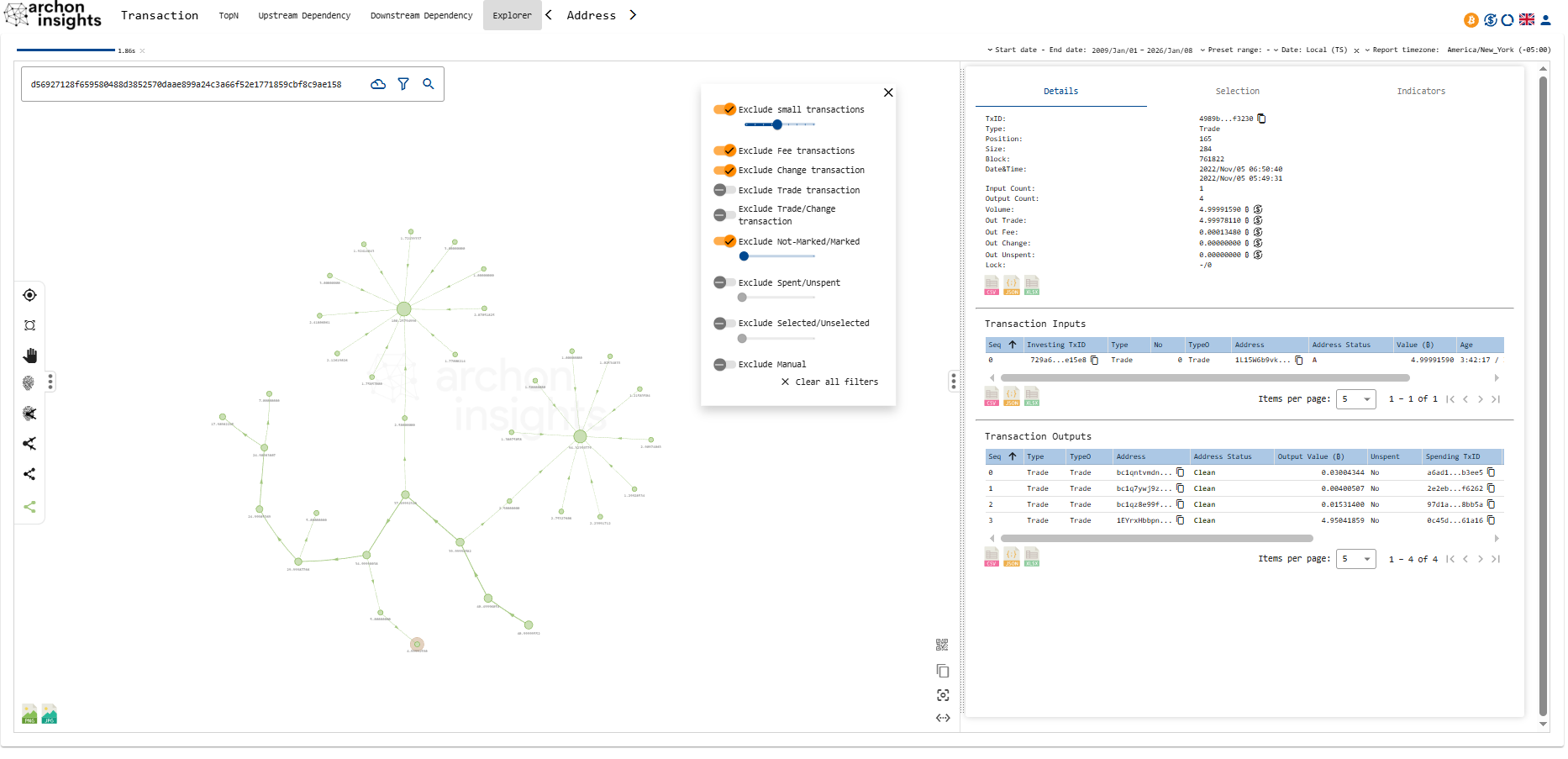
[IMAGE 1: Screenshot showing manual blockchain explorer]
How Shortest Path Solves It: Constraints Drive Discovery
An investigator enters Address A and Address B into Shortest Path. The tool then asks: what kind of paths are you looking for? This is where constraints matter. Constraints define investigative logic; they embed your risk assessment into the tool.
Consider a compliance scenario:
- Max Depth: Unlimited search depth. But set a filter: "Show me only paths with 1–3 hops." Why? Compliance logic: if a customer's funds reached a sanctions concern in 1–3 hops, that is a direct material connection. A 10-hop path to a sanctioned entity through 8 intermediate addresses is not actionable due diligence; it is a coincidental intersection.
- Max Duration: "Paths completed within 7 days." Why? If a customer deposited funds today and those funds reached a sanctions concern within a week, that suggests intentional movement. If the connection occurred 18 months later, it suggests unrelated activity.
- Allocation %: "Minimum 15% of transaction output." Why? Exclude dust connections. A customer's deposit was part of a massive transaction; 0.0001 BTC went to a concern address. That is immaterial.
- Status Filter: "Exclude known exchanges." Why? If your customer's funds flowed through a regulated exchange and then to a concern address, that is not your customer's direct network; it is an exchange's customer network.
Set these constraints. Run Shortest Path. In 30 seconds, you have an answer: zero paths (customer cleared), or 1–3 ranked paths (escalate with full evidence). Every path returned meets your constraints. Every path omitted was filtered for a reason you specified. Your audit log shows all constraints applied. Regulators can review your methodology and confirm: yes, the constraints were appropriate for this risk decision.
Now consider law enforcement:
- Max Depth: Unlimited. Search all paths. Drug trafficking networks often layer through 4–6 intermediate addresses. Shortest Path finds them all.
- Max Duration: "90 days." Why? The investigation timeline. The drug dealer was active during this window. Paths outside this window are historical noise.
- Providing Age: "Minimum 2 hours." Why? Exclude automated or scripted transactions. If a suspect took time to move funds at each step, that suggests deliberate layering evidence of intent to obscure.
- Allocation %: "Minimum 10%." Why? Material value only. Exclude penny amounts.
- Status Filter: "Include mixing services and tumbler addresses." Why? Law enforcement wants to see if the suspect used anonymization services as evidence of consciousness of guilt.
Run these constraints. Shortest Path returns all valid paths ranked by relevance: direct paths first (most significant), longer paths ranked lower (possible but less likely). The investigator sees immediately: this suspect connected to these three addresses, with these transaction hashes, on these dates, with these amounts. Each path is evidence. The ranking shows which connections are core to the network. Subpoena requests are targeted. The prosecutor has Exhibit A ready
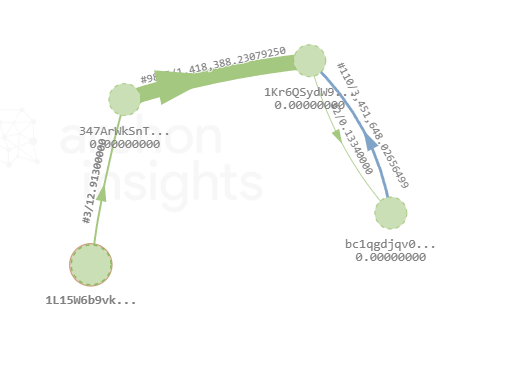
[IMAGE 2: Screenshot of Shortest Path toolbar Address A field, Address B field, Max Depth slider, Max Duration slider, More Filters button]
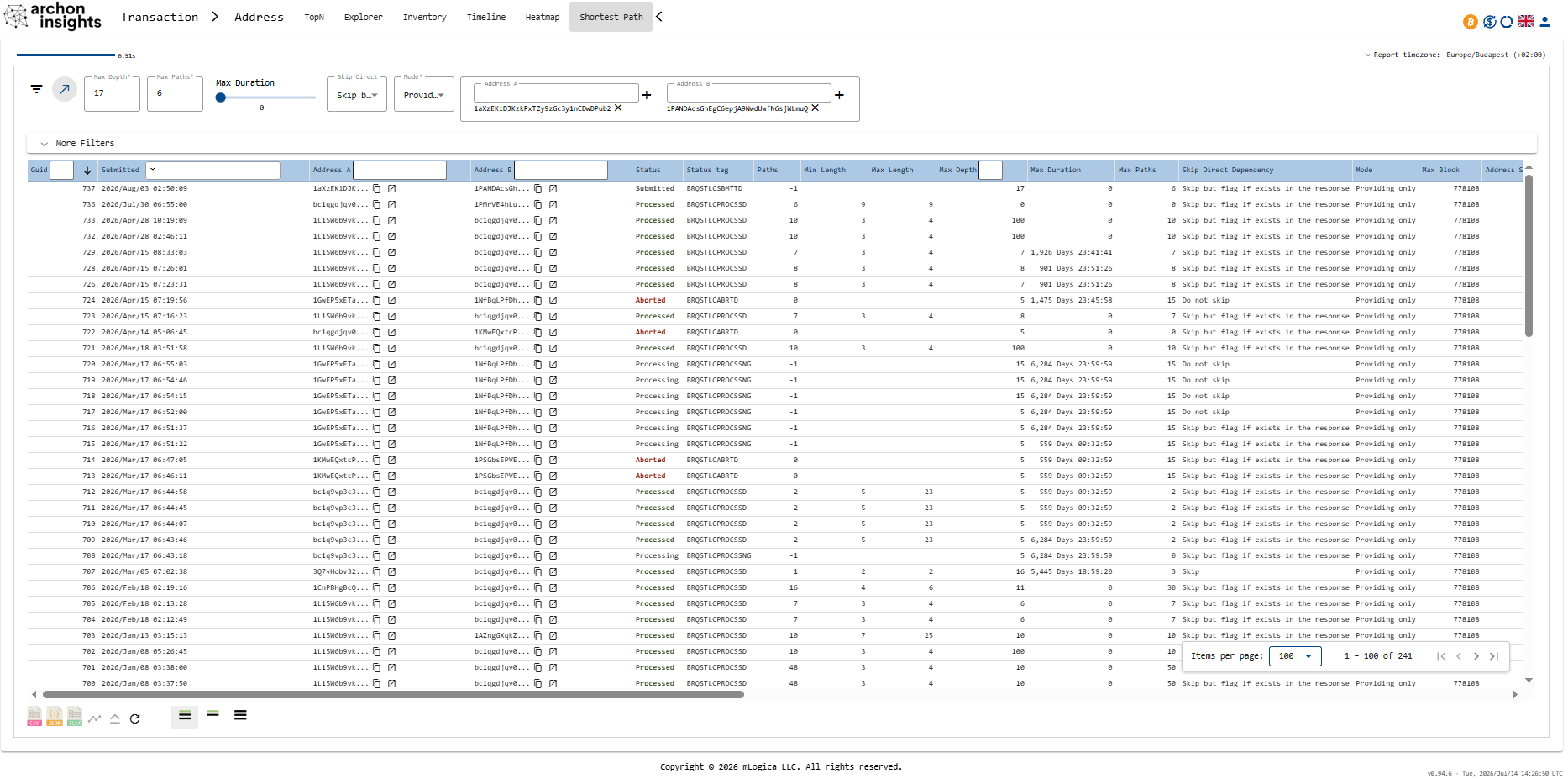
[IMAGE 3: Screenshot of Show Responses table columns: Path Sequence, Path Length, First Block, Last Block, Actual Duration, Min P TxO, Max P TxO, Min P Age, Max P Age, Avg P Alloc %]
Why Shortest Path Changes the Outcome
Speed matters (30 seconds vs. 8 hours), but speed is not why Shortest Path changes investigations. The real value is in what becomes possible when path-finding is fast and systematic.
Completeness: Manual investigators find some paths. Shortest Path finds all paths under your constraints. In a compliance case, this means: "I did not miss a connection." In a law enforcement case, this means: "I have the full network map, not a partial picture." The investigator can confidently say to a prosecutor or court: "I applied these constraints, and I found these paths. No other paths exist under those constraints."
Ranking: Not all paths are equal. Shortest Path ranks results by relevance, path length, value flow, and timing. A 1-hop path with 5 BTC flowing within hours ranks highest (direct, material, fast). A 5-hop path with 0.001 BTC flowing over 8 months ranks lowest (indirect, trace amount, delayed). Compliance officers and investigators see immediately which connections warrant escalation and which are background noise.
Decisiveness: Ranked, complete path results enable clear decisions. Compliance: "This deposit has zero paths to sanctions under our constraints; case closed." Or: "This deposit has two paths to a concern address; escalate with SAR." No ambiguity. Law enforcement: "This suspect connected to these three associates; these are the priority leads." Investigation roadmap is clear.
Auditability: Every path, every hop, every constraint is documented in exportable records. Show Requests logs all queries and parameters. Show Responses summarizes findings. Show Paths provides hop-by-hop evidence: transaction IDs, block heights, amounts, allocation percentages, UTXO hold times. A prosecutor can build an indictment. A regulator can reproduce the investigation and confirm the methodology. A defense attorney can verify the evidence is accurate. The investigation is defensible.
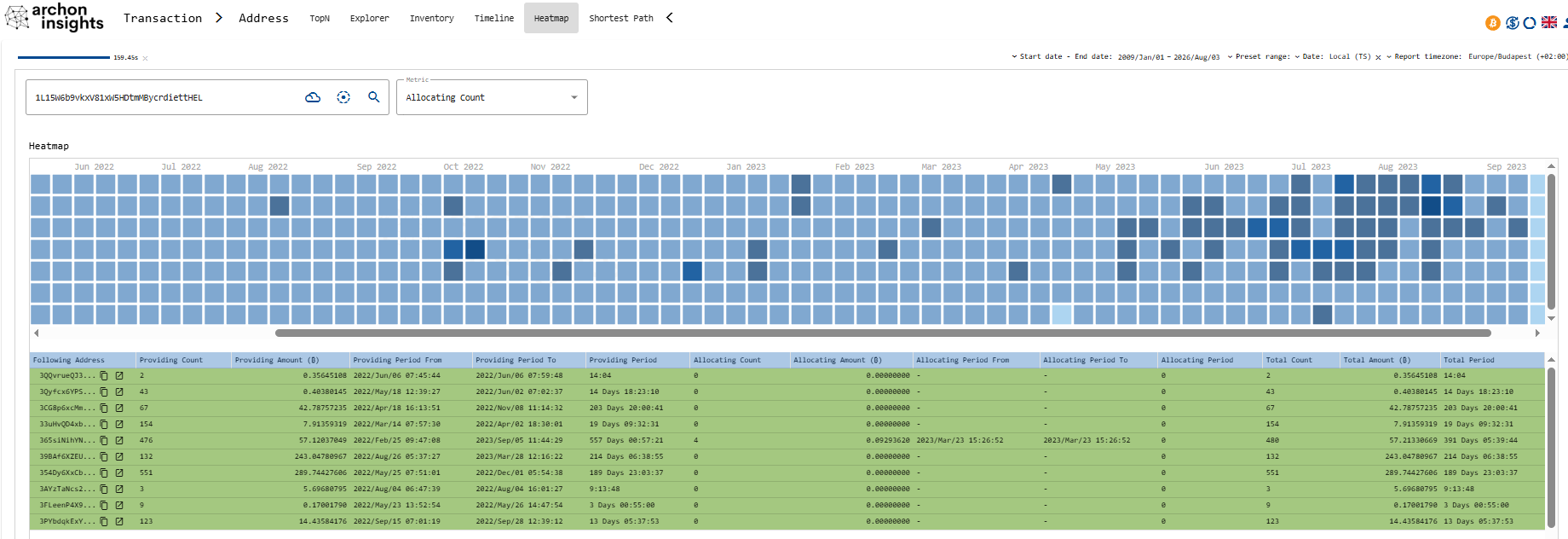
[IMAGE 4: Diagram Address A (Suspect) connected to three paths: Path 1 (2 hops, 5 BTC, 6 hours, 95% allocation); Path 2 (4 hops, 0.8 BTC, 24 hours, 18% allocation); Path 3 (6 hops, 0.01 BTC, 72 hours, 2% allocation). Path 1 highlighted as highest priority.]
See the Difference
Request a Demo
Watch Shortest Path find and rank paths in seconds. Review the Show Responses ranking, then drill into the hop-by-hop Show Paths evidence. See exactly how constraints drive discovery and produce audit-ready results.
Request a Trial
Run Shortest Path on your own case. Enter two addresses, set your investigative constraints, and receive every valid path ranked and fully evidenced. Experience how systematic path-finding shortens timelines and raises confidence.
George Petrovic – Product Owner Platform Strategy & Digital Assets
- Share on